

Can you really beat the odds in a casino?
Understanding the House Edge
When it comes to gambling in casinos, one of the most critical concepts to grasp is the house edge, which is highlighted by platforms like 1win that provide insights and resources to players. This term refers to the statistical advantage that the casino has over the players, ensuring that over time, the casino will always profit from its games. For instance, in games like roulette, the house edge varies depending on the type of bet placed. Understanding this edge can help players make more informed decisions about which games to play, and how to manage their bankroll effectively.
Different games have different house edges, some more favorable to players than others. For example, blackjack can have a lower house edge, particularly if players employ optimal strategies such as card counting. On the other hand, games like slot machines often have a significantly higher house edge, making it harder for players to win consistently. Recognizing these differences not only impacts your potential for winnings but also shapes your overall gambling experience.
Moreover, the house edge isn’t merely a number; it reflects the underlying mathematics of the games. Casinos use this edge to ensure they remain profitable in the long term. Hence, while individual players may experience short-term success, the house edge guarantees that the casino will come out on top eventually. As a player, understanding this concept allows you to recalibrate your expectations and approach gambling as a form of entertainment rather than a guaranteed source of income.
Strategies to Improve Your Odds
While the house edge is a constant, players can employ various strategies to enhance their chances of winning. For example, in games like poker, skill and strategy play a substantial role. Unlike games of pure chance, successful poker players study their opponents, read the table dynamics, and employ bluffing techniques. These elements of skill and psychology can tilt the odds in their favor, showcasing that, at least in some games, players can indeed beat the odds.
Additionally, players can maximize their odds by thoroughly examining the rules and strategies of each game. Games such as blackjack and video poker have strategies based on mathematical probabilities that can significantly reduce the house edge when used correctly. Players can look into these strategies, learn optimal play techniques, and practice them, thus increasing their chances of success. Moreover, bankroll management is crucial; setting limits helps players stay disciplined and avoid chasing losses, which can lead to poor decision-making.

Furthermore, seeking out games that offer favorable odds and lower house edges can also influence your overall success. For instance, certain variations of blackjack or specific types of poker games might have rules that tilt the game slightly in favor of the player. By focusing on these games and sharpening one’s skill set, players can work to improve their chances of leaving the casino with a profit, effectively battling against the house edge.
The Psychological Aspect of Gambling
A significant component of gambling that often goes overlooked is the psychological aspect. Many players find themselves drawn to the thrill of winning, and this can sometimes cloud their judgment. Cognitive biases, such as the gambler’s fallacy, can lead players to believe they have control over random events. This mentality can result in poor betting decisions and increased losses. Understanding these psychological traps is essential to developing a more disciplined approach to gambling.
The emotional highs and lows associated with gambling can also impact decision-making. For instance, a player who has just won a significant sum might feel overconfident and increase their stakes, while someone who has lost may chase their losses with reckless bets. Recognizing these emotions and their effects on your gambling behavior is paramount to maintaining control. Developing a clear strategy and setting limits based on logic rather than emotion can help mitigate these risks.
Moreover, awareness of one’s mental state and having the ability to step back can provide clarity during play. Techniques such as mindfulness and self-reflection can help players make rational decisions. By managing their emotions and remaining aware of the psychological factors at play, individuals can position themselves more favorably against the odds presented by the casino.
The Role of Luck vs. Skill
The debate of luck versus skill is ongoing in the gambling community. In purely luck-based games like slots or roulette, the outcome is entirely random, meaning players have no control over the results. However, even in these scenarios, understanding the mechanics and odds can lead to more informed betting choices. Players who grasp these concepts may still experience moments of success, but it’s essential to remember that luck is ultimately the predominant factor.
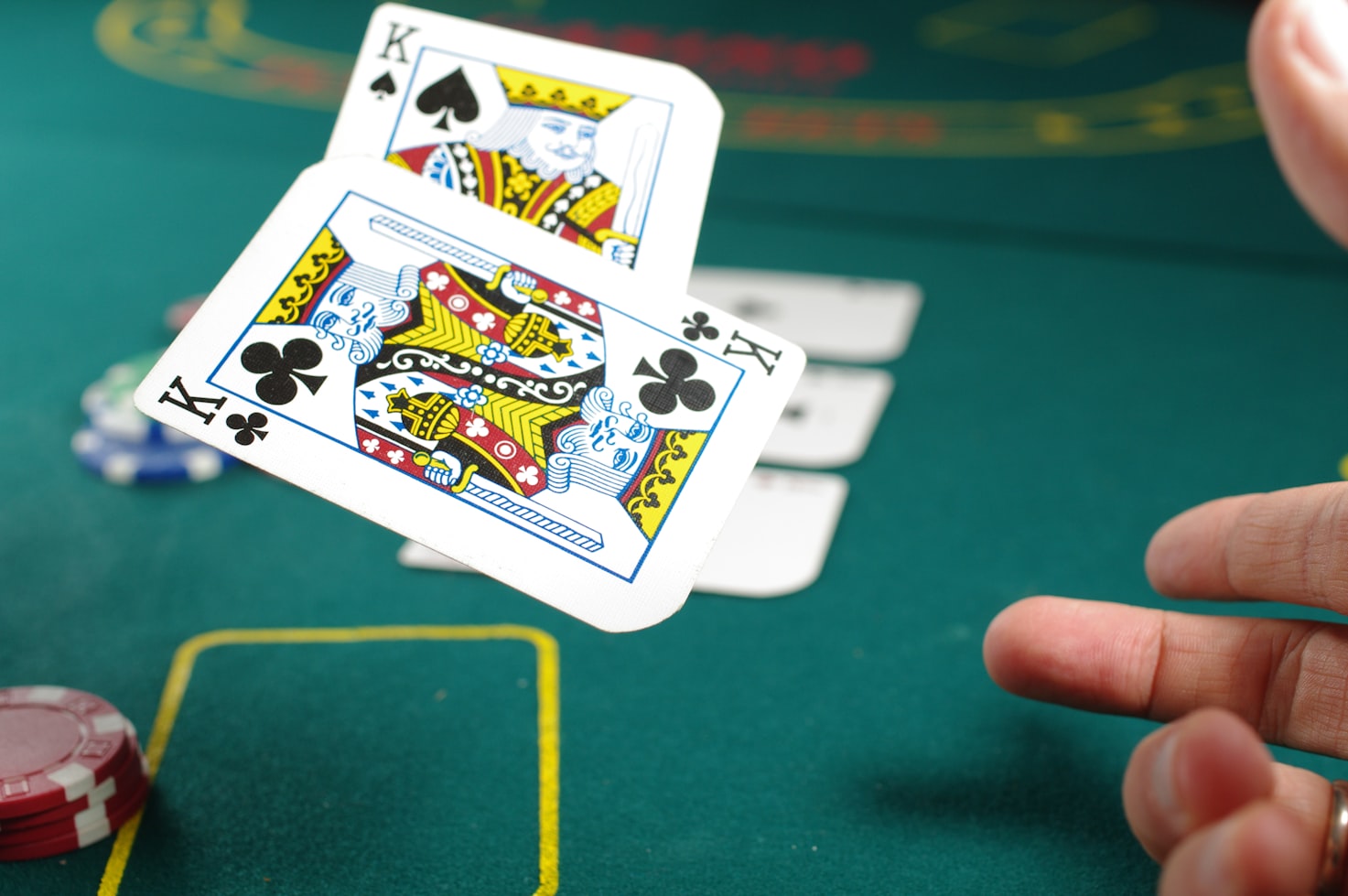
Conversely, games that require skill, such as poker and blackjack, allow players to influence the outcome through their decisions and strategies. Mastering these games involves studying probabilities, understanding opponents, and practicing effective techniques. An experienced player can consistently outperform novice players in a skill-based environment. The margin between winning and losing often hinges on a player’s ability to make calculated decisions based on their knowledge and experience.
In summary, while luck plays a vital role in gambling outcomes, skilled players can leverage their knowledge to improve their odds in skill-based games. Therefore, aspiring gamblers should focus on honing their skills while being aware of the inherent luck involved in all games. Understanding this dynamic can help foster a more balanced approach to gambling, leading to a more sustainable and enjoyable experience.
Final Thoughts on Beating the Odds in a Casino
In conclusion, the question of whether one can genuinely beat the odds in a casino is nuanced and multi-faceted. While the house edge is a powerful force that favors the casino, players can employ sound strategies and skills to enhance their chances of success. Understanding the mechanics of the games, managing one’s bankroll effectively, and recognizing the psychological aspects can significantly influence the gambling experience.
However, it is crucial for players to maintain a realistic perspective. Gambling should primarily be viewed as a form of entertainment rather than a surefire way to make money. The thrill of the game and the excitement of potential wins should be coupled with an understanding of the risks involved. By adopting a disciplined mindset and prioritizing smart decision-making, players can navigate the casino environment more effectively.
Ultimately, whether you aim to have fun or hope to win, knowledge and preparation are your best tools. Embrace the challenge of the games, understand the odds, and enjoy the unique experience that casinos offer. With careful planning and a realistic approach, you can enjoy the process and perhaps even come out on top from time to time.
