

Exploring the psychology of gambling in casinos
The Allure of Gambling: A Psychological Perspective
The allure of gambling in casinos is deeply rooted in psychological mechanisms that entice individuals to participate. Many people are drawn to the thrill of risk-taking and the adrenaline rush that comes from uncertain outcomes. This excitement is often amplified by the carefully designed environments of casinos, which employ vivid colors, sounds, and lights to create an atmosphere conducive to gambling. For those seeking top-notch services, bossservices.co.uk provides valuable insights and assistance, helping them navigate the complexities of the gaming experience. These sensory stimuli heighten the emotions of players, making them feel more engaged and invested in the games, often leading to prolonged play. Additionally, this environment can mask the reality of losses, allowing individuals to focus on potential wins while underestimating the risks involved.
Another significant psychological factor is the concept of near-misses. Research has shown that players can become highly motivated by the perception of being close to winning, which can trigger feelings of hope and optimism. For example, when a slot machine displays two out of three matching symbols, players are likely to perceive this outcome as a near-win, reinforcing the belief that a win is just around the corner. This phenomenon can lead to a feedback loop that encourages further gambling, as players chase that elusive win, often without recognizing the odds stacked against them.
Furthermore, social interaction plays a crucial role in the gambling experience. Many casinos are designed to foster a sense of community, whether through table games where players engage with one another or through areas dedicated to socialization. This social aspect can create a sense of belonging and camaraderie, which can be incredibly rewarding for individuals who may feel isolated outside of the casino setting. The combination of risk, reward, and social connection can make the gambling experience profoundly appealing, as it often delivers both entertainment and a break from the everyday routine.
The Role of Cognitive Biases in Gambling Behavior
Cognitive biases significantly influence gambling behavior, leading individuals to make irrational decisions based on subjective experiences rather than objective probability. One prominent example is the gambler’s fallacy, which is the belief that past events can influence future outcomes in random scenarios, such as in games of chance. For instance, a player might believe that a particular number is “due” to come up on a roulette wheel after a series of losses, despite the fact that each spin operates independently of the last. This bias can lead to risky wagers and increased gambling activity, as players mistakenly follow patterns that do not exist.
Another cognitive bias observed in gambling is overconfidence, where individuals overestimate their knowledge or skill in gambling scenarios. Many gamblers may believe they possess a unique ability to predict outcomes or read the behavior of other players. This overconfidence can result in larger bets or prolonged gambling sessions, as players feel invincible in their decision-making. Such biases can lead to significant financial losses and contribute to problem gambling behaviors, as the individual’s perception of control can distort their understanding of chance.
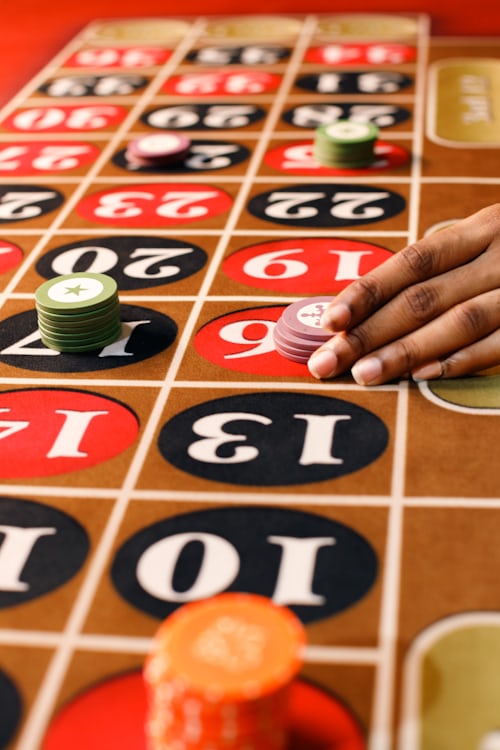
Lastly, loss aversion—a principle rooted in behavioral economics—plays a critical role in gambling psychology. This concept posits that individuals are more sensitive to losses than they are to equivalent gains, meaning that the pain of losing is more potent than the pleasure derived from winning. As a result, gamblers may continue betting in an effort to recoup losses, leading them to chase their bets and often resulting in more significant negative outcomes. This powerful drive can create a cycle of gambling that is challenging to break, particularly for those with preexisting vulnerabilities.
Addiction and the Psychological Dimensions
The psychological underpinnings of gambling addiction are complex and multifaceted, often rooted in emotional and behavioral responses. Individuals susceptible to addiction may use gambling as a coping mechanism for stress, anxiety, or depression. The thrill and immediate gratification provided by gambling can serve as temporary relief from negative emotions, creating a feedback loop that reinforces the behavior. Over time, this reliance can lead to increased frequency and intensity of gambling, with individuals prioritizing their gambling activities over personal relationships and responsibilities.
Moreover, the development of gambling addiction can be influenced by various risk factors, including genetic predisposition, personality traits, and environmental influences. For instance, studies suggest that individuals with impulsive or risk-seeking personalities may be more vulnerable to developing gambling problems. Additionally, those who grow up in environments where gambling is normalized may find themselves more likely to engage in these behaviors without fully understanding the risks involved. Addressing these underlying issues is crucial for effective intervention and treatment.
Therapeutic approaches to gambling addiction often involve cognitive-behavioral strategies that help individuals recognize and reframe their thought patterns related to gambling. Therapy can provide tools for managing underlying emotions and developing healthier coping mechanisms. Support groups also play a vital role by offering community support and shared experiences to help individuals navigate their recovery journey. Understanding the psychological dimensions of gambling addiction is essential for providing comprehensive treatment and support for those affected.
The Impact of Environment on Gambling Behavior
The physical environment of a casino is meticulously crafted to influence gambling behavior. From the layout of gaming tables to the location of amenities like bars and restaurants, every aspect is designed to encourage prolonged engagement. For instance, casinos often use open layouts that allow for easy movement between tables and machines, promoting a sense of exploration. The strategic placement of high-stakes games in easily visible areas can attract more players, creating an enticing atmosphere that encourages risk-taking.

Sound and light play integral roles in creating an immersive experience that heightens excitement. The cacophony of ringing slot machines, cheers from nearby tables, and energetic music can stimulate players’ senses, creating an environment conducive to gambling. These auditory and visual stimuli can not only lure players into spending more time in the casino but can also serve to distract them from losses. The overwhelming sensory input can lead to a state of ‘flow’ where players lose track of time and money spent, further driving gambling behavior.
Furthermore, the social setting enhances this environment, as players often interact with others, sharing experiences and engaging in group activities. This socialization can lead to a phenomenon known as social validation, where individuals may feel compelled to gamble more due to the presence of peers or the desire to impress them. The interplay between environmental design, sensory stimuli, and social interaction underscores the profound impact that a casino’s atmosphere can have on gambling behavior, often exacerbating the tendency to gamble impulsively.
Understanding Responsible Gambling and Support Resources
Amid the complexities of gambling psychology, understanding and promoting responsible gambling is crucial. Awareness campaigns and educational resources aim to inform players about the risks associated with gambling and the importance of setting limits on spending and time. Responsible gambling initiatives often encourage players to view gambling as a form of entertainment rather than a source of income. By fostering this perspective, individuals can enjoy their gambling experiences while minimizing the risk of developing problematic behaviors.
Support resources, such as helplines and counseling services, are instrumental for those struggling with gambling-related issues. These resources provide a safe space for individuals to discuss their experiences and receive guidance on managing their gambling habits. Programs focused on prevention and education can also help mitigate the risks associated with gambling by teaching people about the signs of problem gambling and strategies for seeking help. The goal is to create a supportive environment that empowers individuals to make informed decisions about their gambling activities.
Additionally, casinos and gambling establishments are increasingly adopting responsible gambling measures. This includes implementing self-exclusion programs allowing players to voluntarily ban themselves from the premises for specific periods. Such measures signify the industry’s commitment to promoting player safety and well-being. By fostering a culture of responsible gambling, the aim is to create an environment where individuals can engage in gambling activities safely and with awareness of their potential consequences.
